

Our Programs
Early Childhood
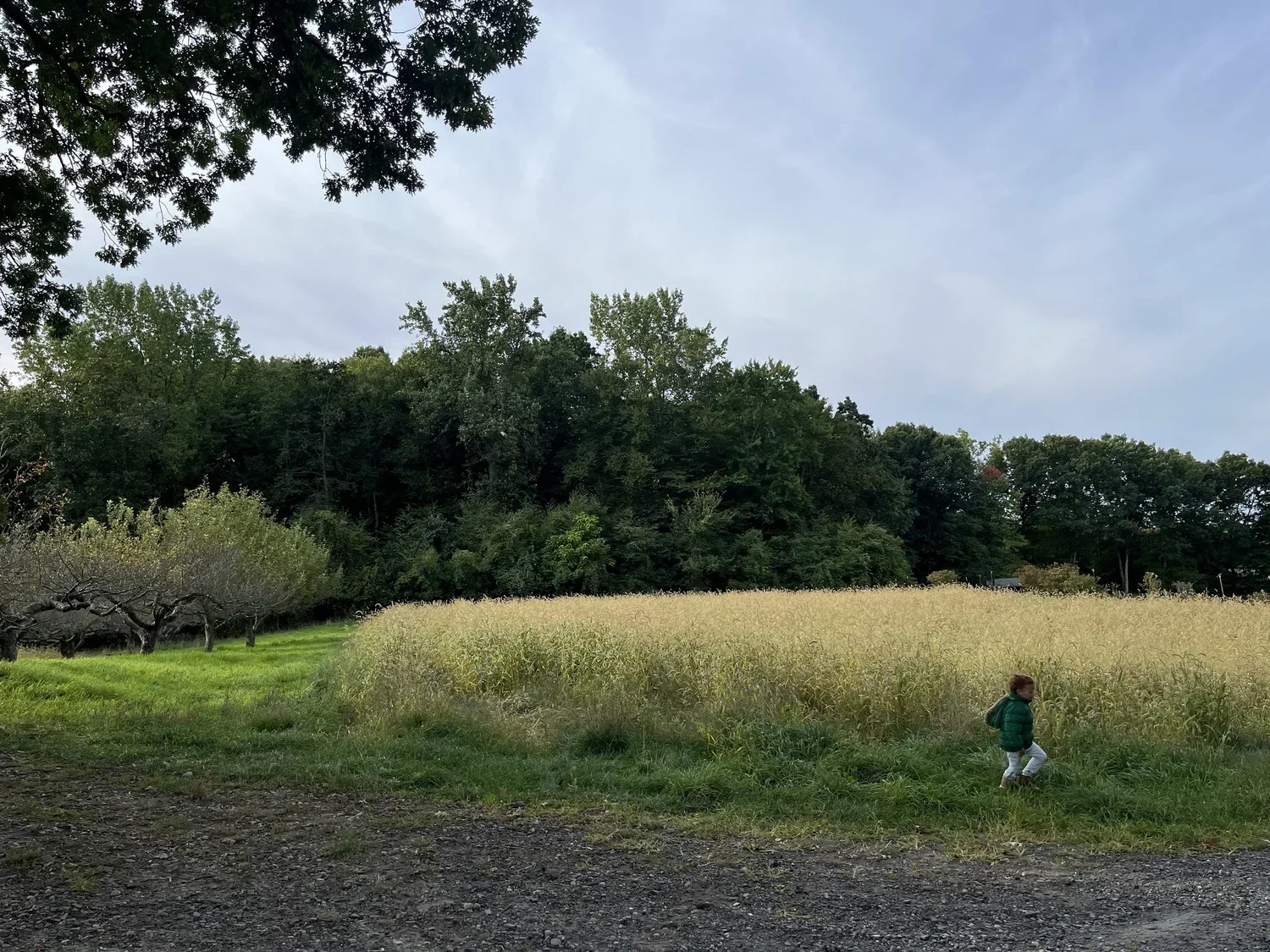
The Otto Specht School’s early childhood program is designed to meet the individual needs of students ages 4-7, prior to their entrance into grade school. We provide an environment that is beautiful, warm, and safe, and a daily rhythm that is predictable and nourishing. We meet children where they are developmentally and work to build the physical, emotional, social, and pre-academic capacities of young children.
Facilitated integration into small group activities with our younger grades as well as Green Meadow kindergarteners, helps our children build their social capacities, while more individualized attention throughout the day addresses any underlying needs.
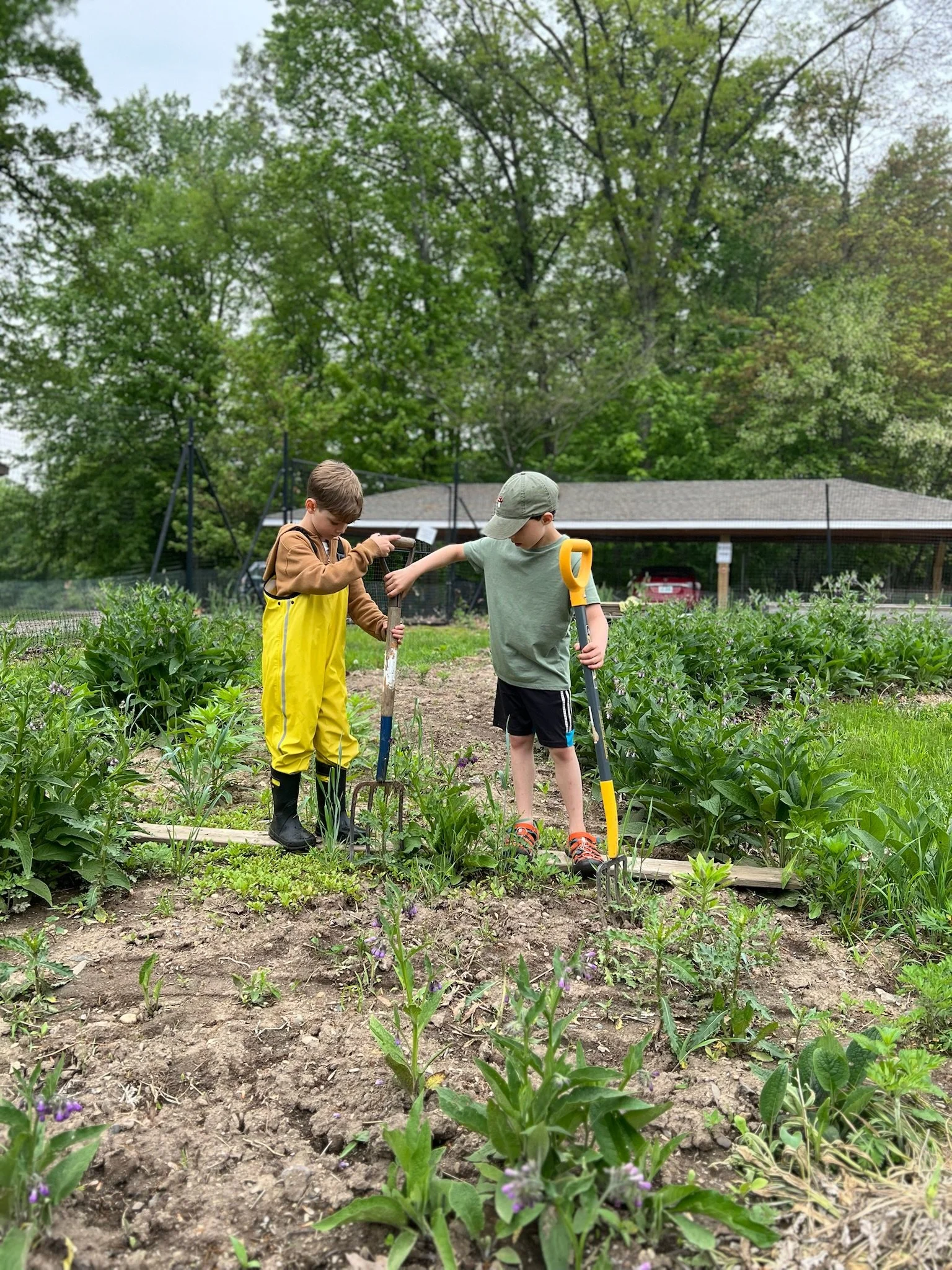
Daily activities may include: singing, crafts, caring for animals, gardening, stories, games, and cooking.
Stepping Stones
Every child has their own path.
Stepping Stones offers a flexible one- to three-year experience that strengthens the foundations for lifelong learning while preserving the core qualities of childhood: movement, imagination, play, and meaningful relationships. Rather than moving children along a fixed academic timeline, the program meets each child where they are and supports their natural development.
Students engage in a Waldorf-inspired curriculum in small classes with fewer transitions, allowing for continuity, depth, and strong teacher relationships.
At its heart, the program is designed to set each child on a path toward joy and independence in learning— discovering and honoring how they learn best.
-
The program is intended for children (approximately ages 6–9+) who benefit from an approach that prioritizes developmental readiness, individuality, and the cultivation of strong learning foundations.
Children in this program may benefit from:
● Additional time for emotional and social development
● Strengthening attention, self-regulation, and inner readiness
● Developing confidence, initiative, and a sense of agency
● Building fine motor and language skills
● Learning in ways that reflect their individual strengths and rhythms
● An environment that values process, exploration, and meaning over performance
-
● Flexible 1–3 year program based on each child’s developmental path
● Small group setting with strong, consistent teacher relationships
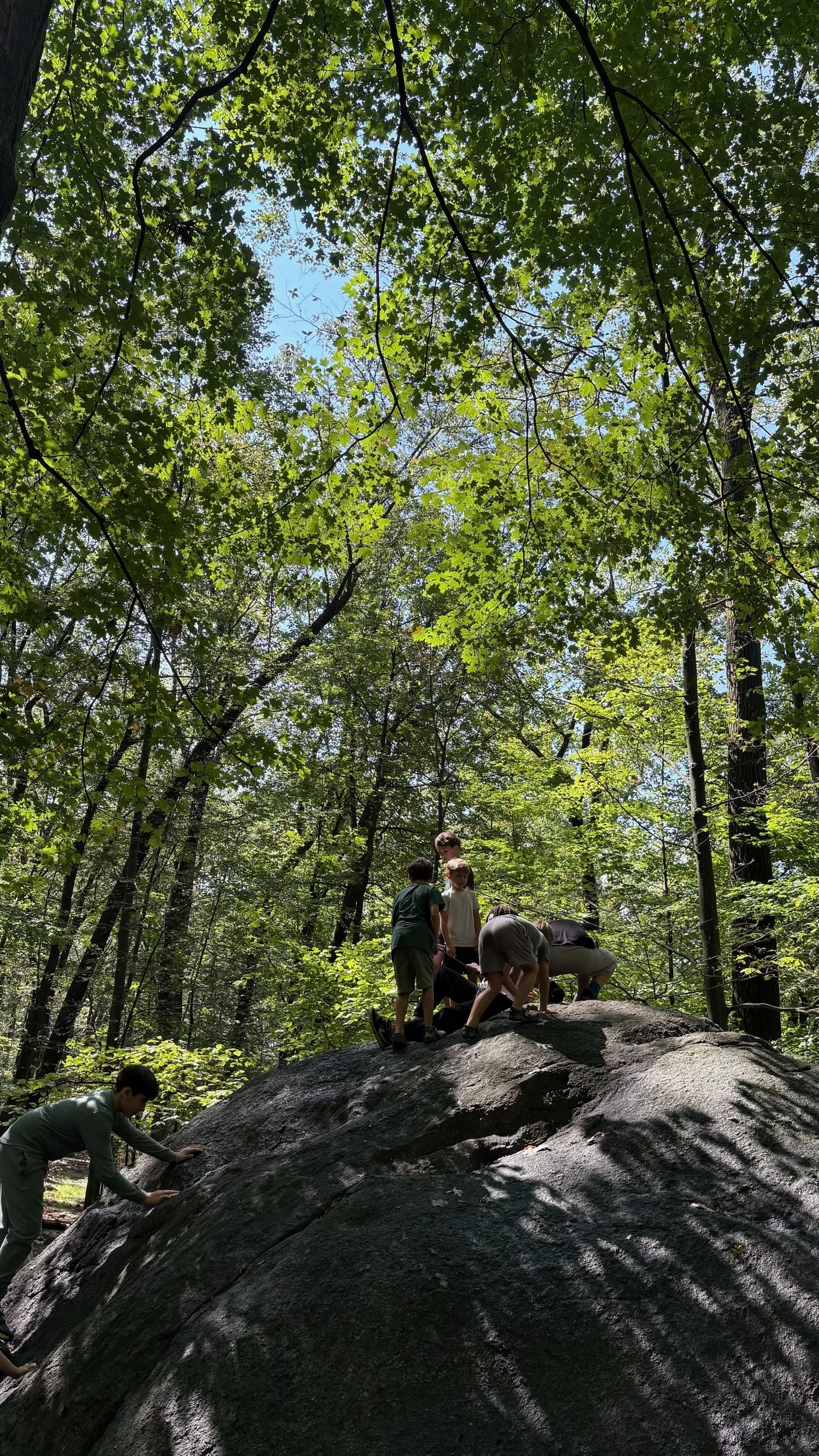
● Emphasis on rhythm, hands-on learning, and outdoor experience
● Individualized pacing that allows children to deepen skills and understanding over time
Students move forward when they are ready—academically, socially, and emotionally—into:
● First, Second, or Third Grade at Green Meadow Waldorf School
● First, Second, or Third Grade at Otto Specht School
● Another educational environment that best supports the child
Placement decisions are made collaboratively with families and teachers, guided by the whole child rather than age-based expectations.
-
The program nurtures the foundational capacities that support all future learning, recognizing that intellectual growth is deeply connected to physical, emotional, and social development.
Children are supported in discovering how they learn best, fostering adaptability, creativity, and intrinsic motivation.
Key areas include:
Movement & Physical Development
Balance, coordination, outdoor play, and nature-based exploration—building the physical foundation for focus and learning.
Language & Story
Storytelling, poetry, dramatic play, and rich oral language experiences that cultivate imagination and comprehension.
Artistic Expression
Drawing, painting, music, creative movement, and handwork, supporting creativity, perseverance, and fine motor development.
Practical Work
Cooking, gardening, building, and caring for the environment, fostering competence, responsibility, and real-world connection.
Social Development
Cooperative play, conflict resolution, and relationship-building, strengthening empathy and social awareness.
-
Academic skills arise naturally from a strong developmental foundation and meaningful engagement. Academics are brought in line with the Waldorf Curriculum, grounded in a deep understanding of child development and are reinforced throughout the day through engagement in meaningful activities.
Children develop:
● Phonemic awareness through songs, stories, and rhythm
● Number sense through movement, pattern, and practical activity
● Fine motor skills for writing readiness
● Listening, sequencing, and participation in structured activities
● Focus, flexibility, and executive functioning
The emphasis is not on early academic performance, but on cultivating the capacities that make learning joyful, sustainable, and self-directed.
Grades 1-8
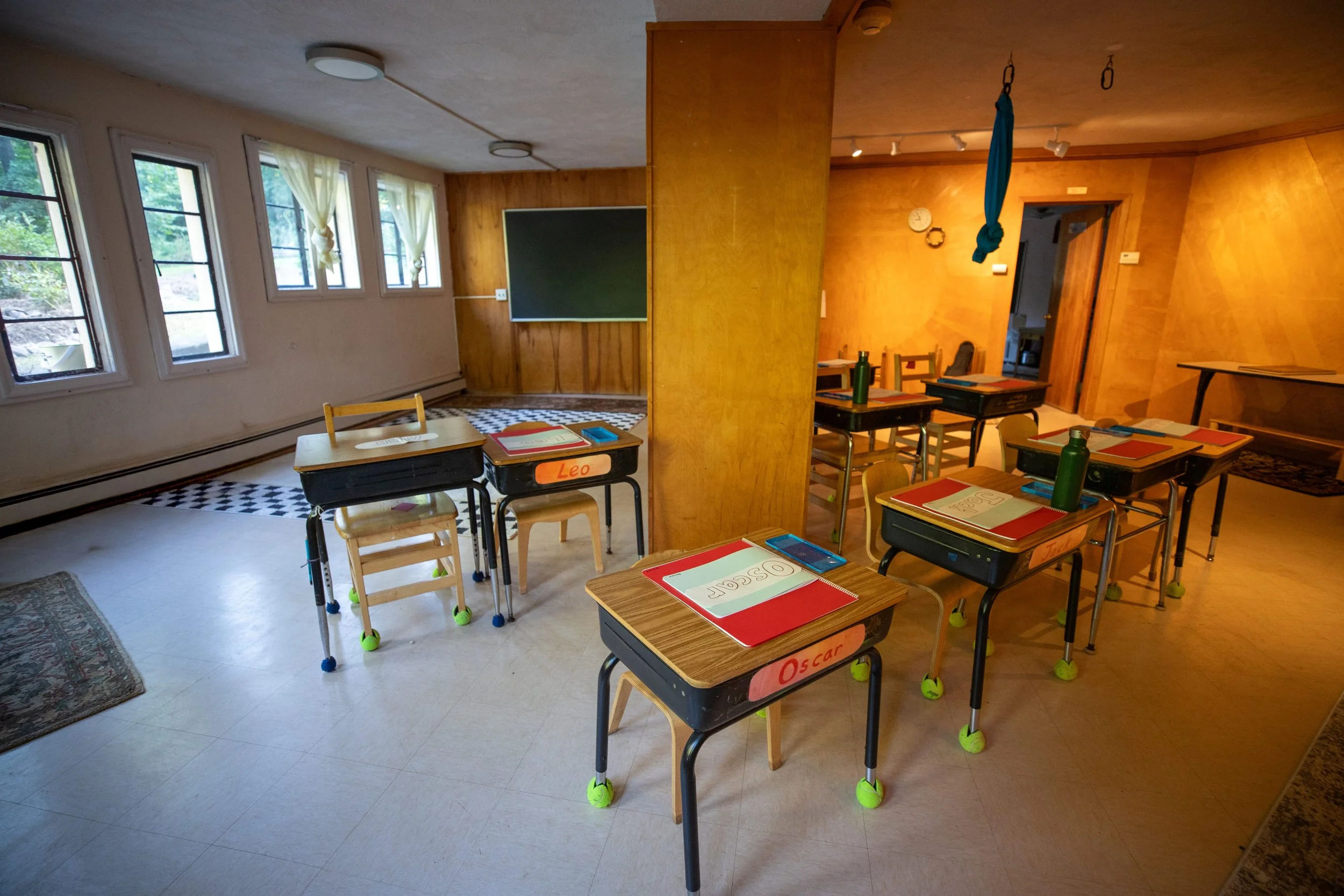
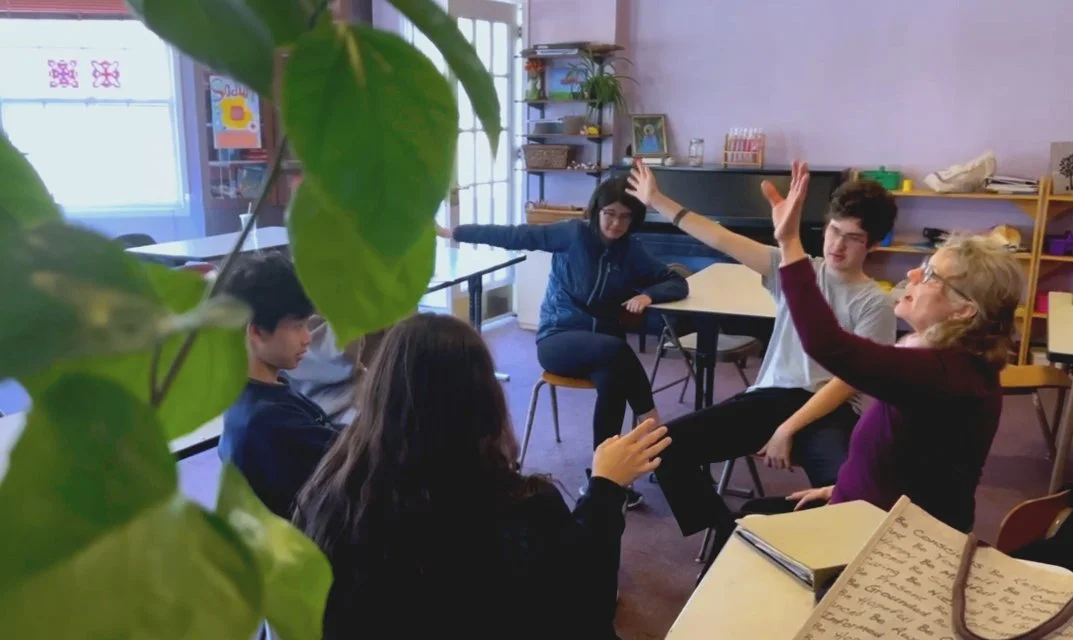
In the grades, the Waldorf curriculum is adapted to each child's learning and developmental needs, providing an educational experience that is both individualized and integrated into the whole. With continued emphasis on hands-on experiential learning and integration of the arts, both intellectual and social emotional growth and development are supported. Academic instruction meets each child where there are while rich content maintains the integrity of the curriculum at all levels.
High School
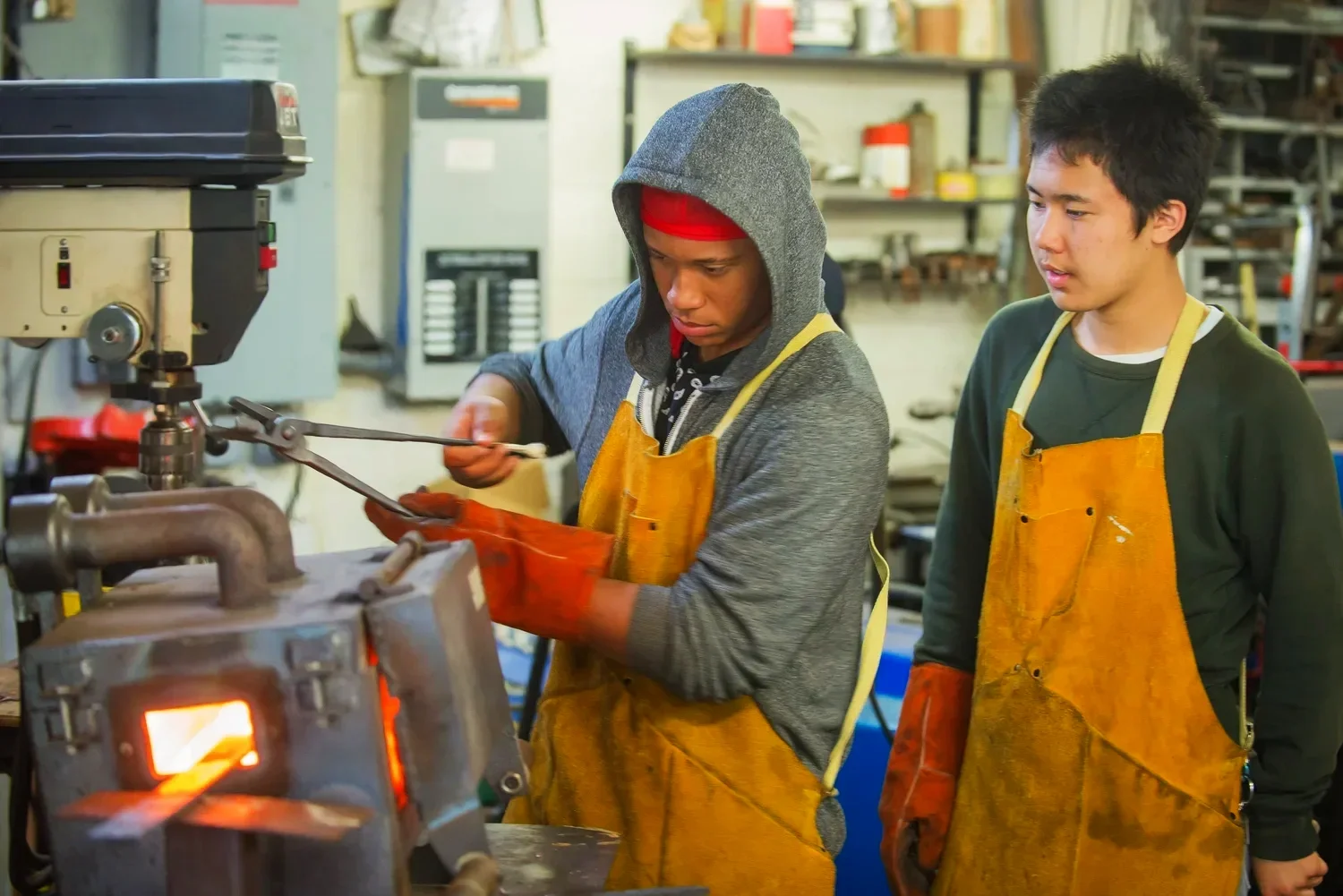
High school students at Otto Specht School have the opportunity to achieve either a high school diploma or a certificate of completion, depending on their individual needs and goals. The high school curriculum balances academic coursework with practical life skills, ensuring students are prepared for future opportunities. Throughout their high school years, students participate in community internships and vocational programs, gaining real-world experience in supportive environments. As in the lower grades, academic instruction is tailored to the needs and abilities of each student and social and vocational opportunities are carefully thought through to best achieve self-reliance and post-secondary success.
Transitional Life Skills
The full-time Transitional Life Skills program is available for students who have completed high school and are interested in a post-secondary program. This is an opportunity to build the practical, vocational, and social skills needed to successfully navigate their path towards independent living.
For much of their learning, students are immersed in real-world work environments such as a commercial kitchen, a working farm, a craft studio, a small cafe and store, an elder care facility and local businesses. Additional academic support is also provided for those who wish to pursue college or other vocational training.
Program offerings include internships and courses in: Culinary arts, farming, eurythmy, practical math, woodwork and fiber crafts, elder care, additional therapies as needed, life skills, and supported work.