
Our Unique Approach
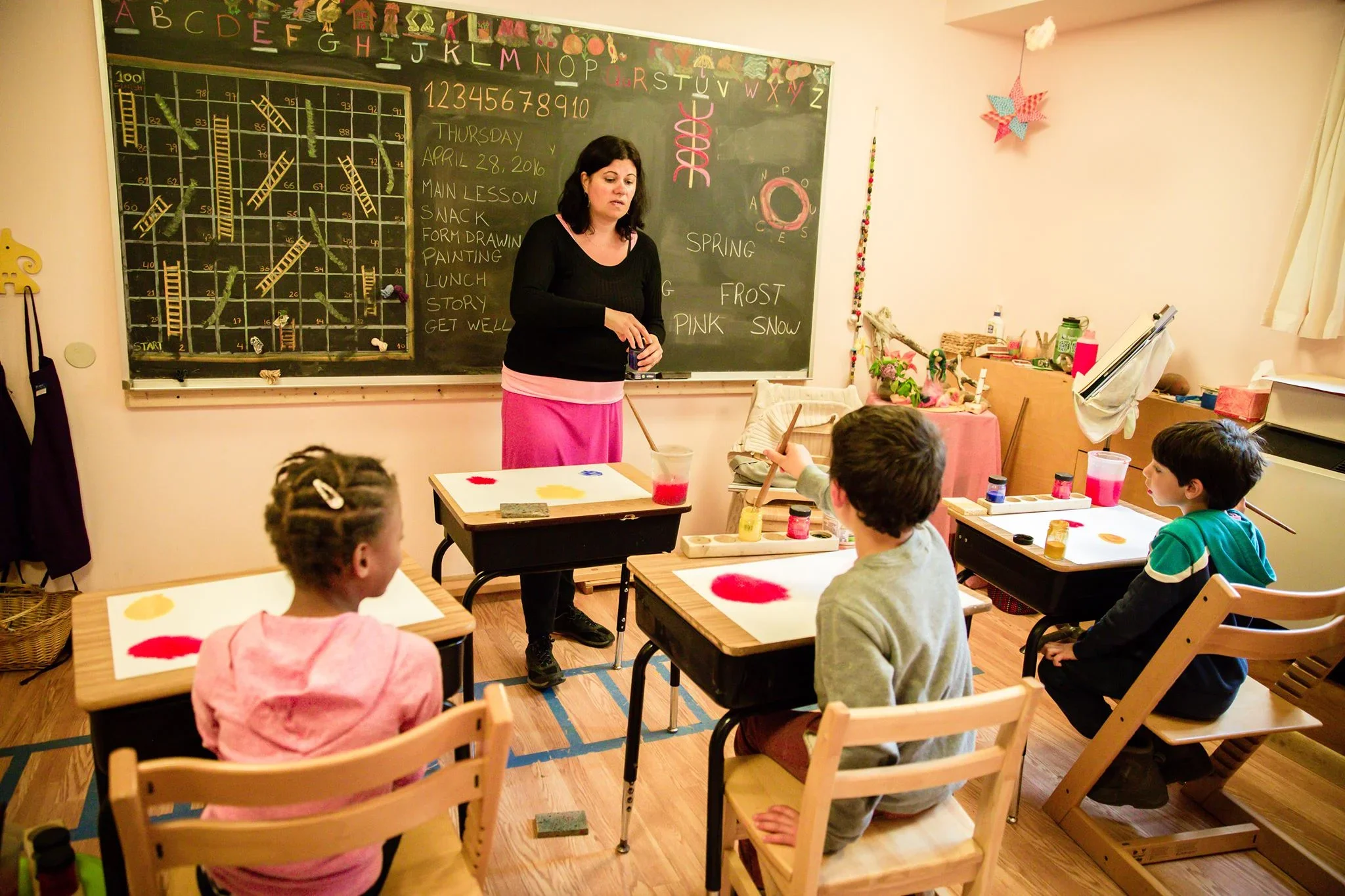
The Otto Specht School supports children who struggle in more traditional settings, including public, private, special education, and typical Waldorf School programs. Based on the principles of Waldorf Education, we provide a nurturing environment that meets therapeutic, social, and academic needs through practical work, artistic expression, and community service. Each child receives personalized support to achieve social integration, self-sufficiency, and independence.
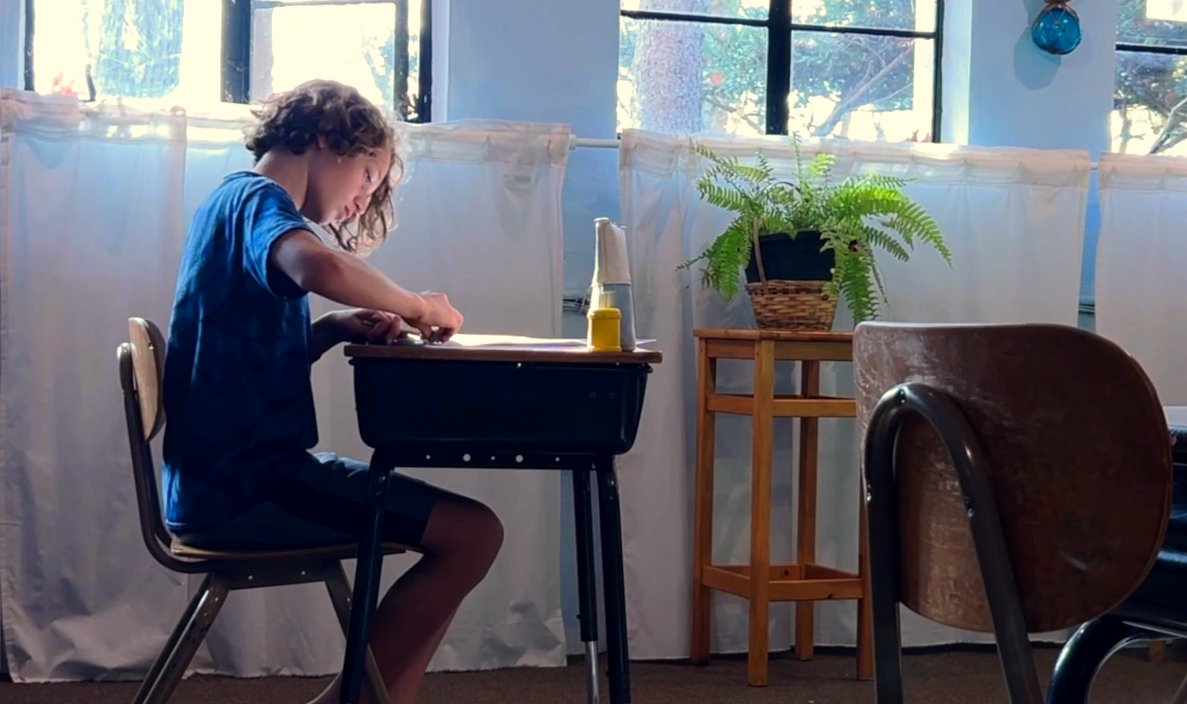
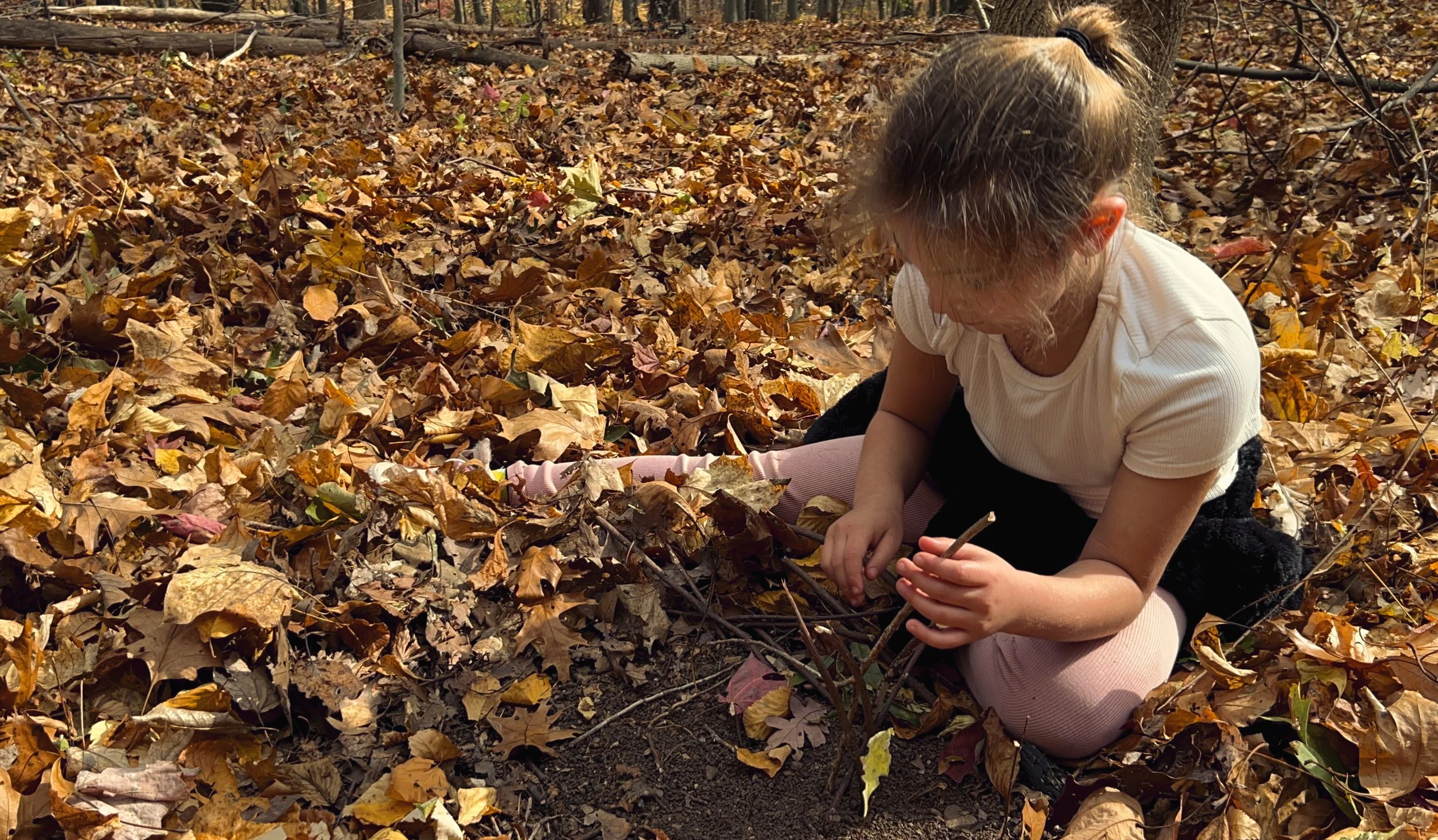
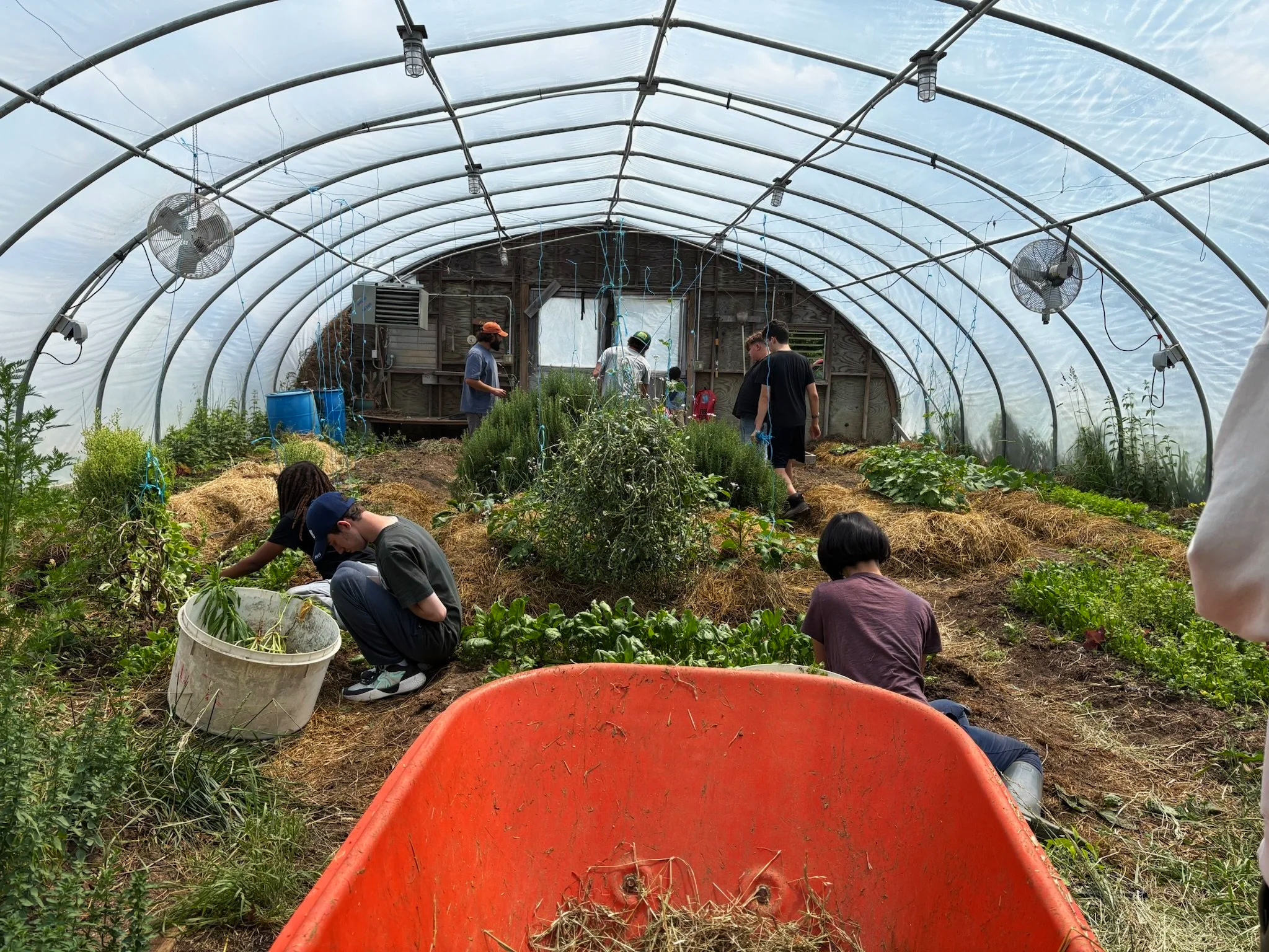
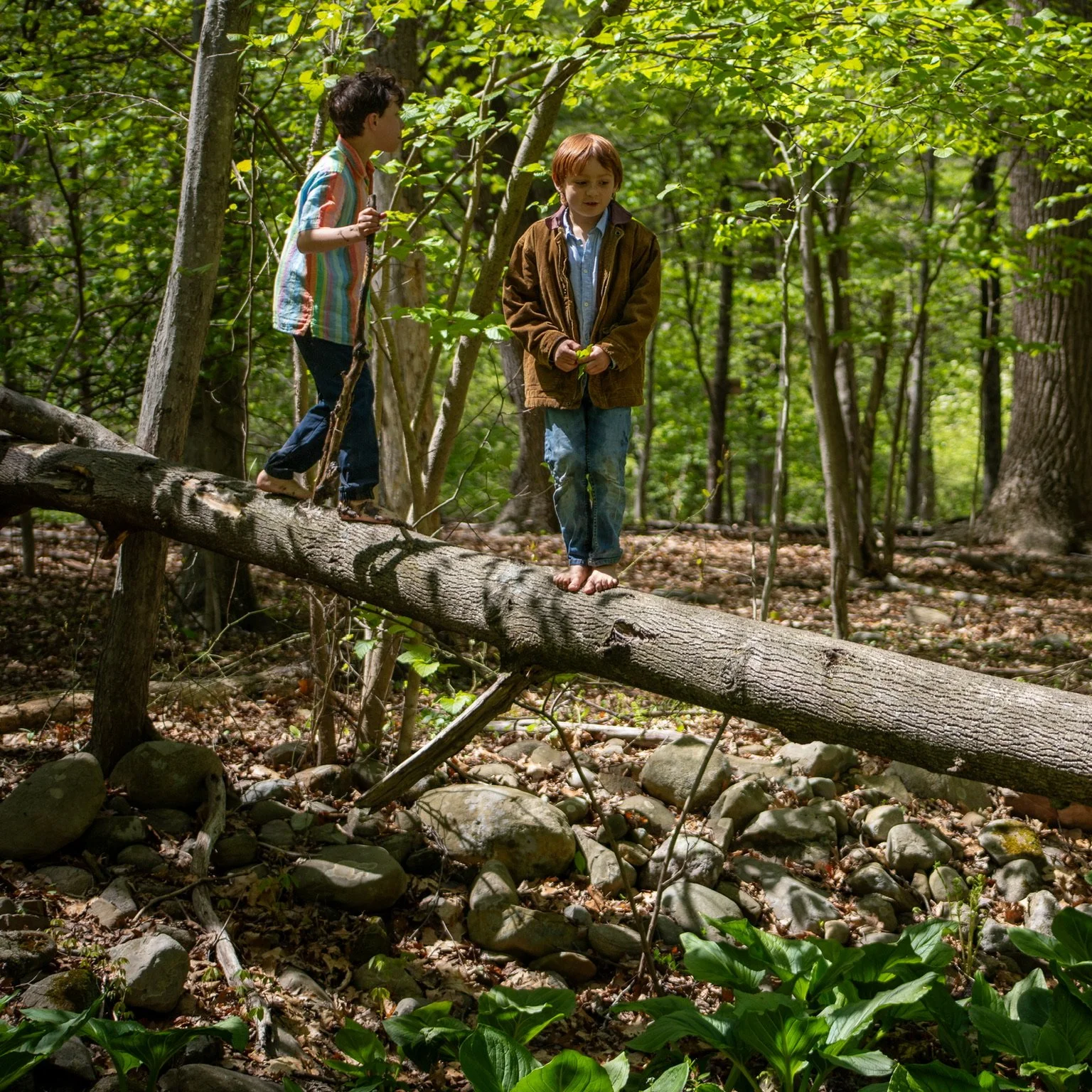
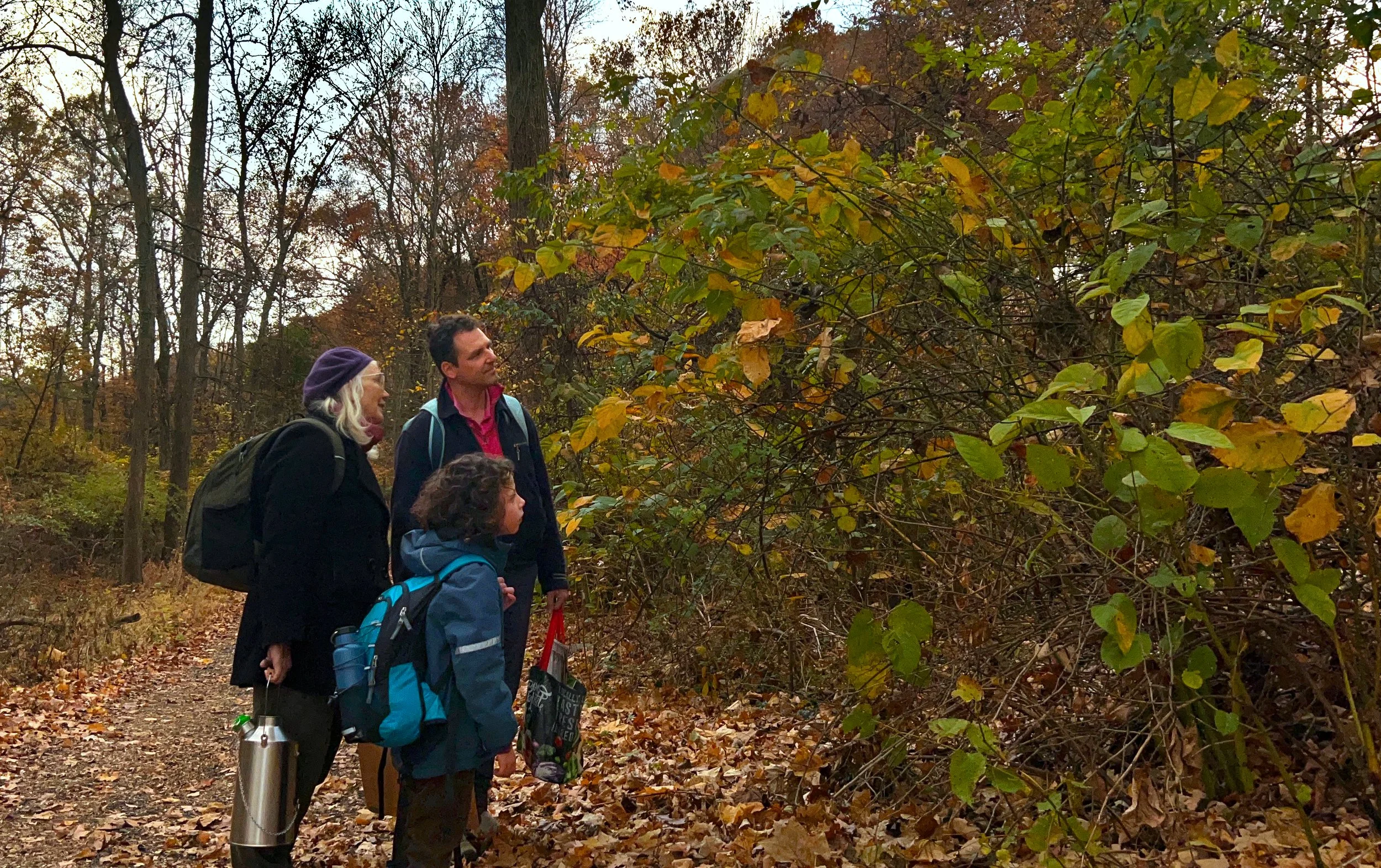
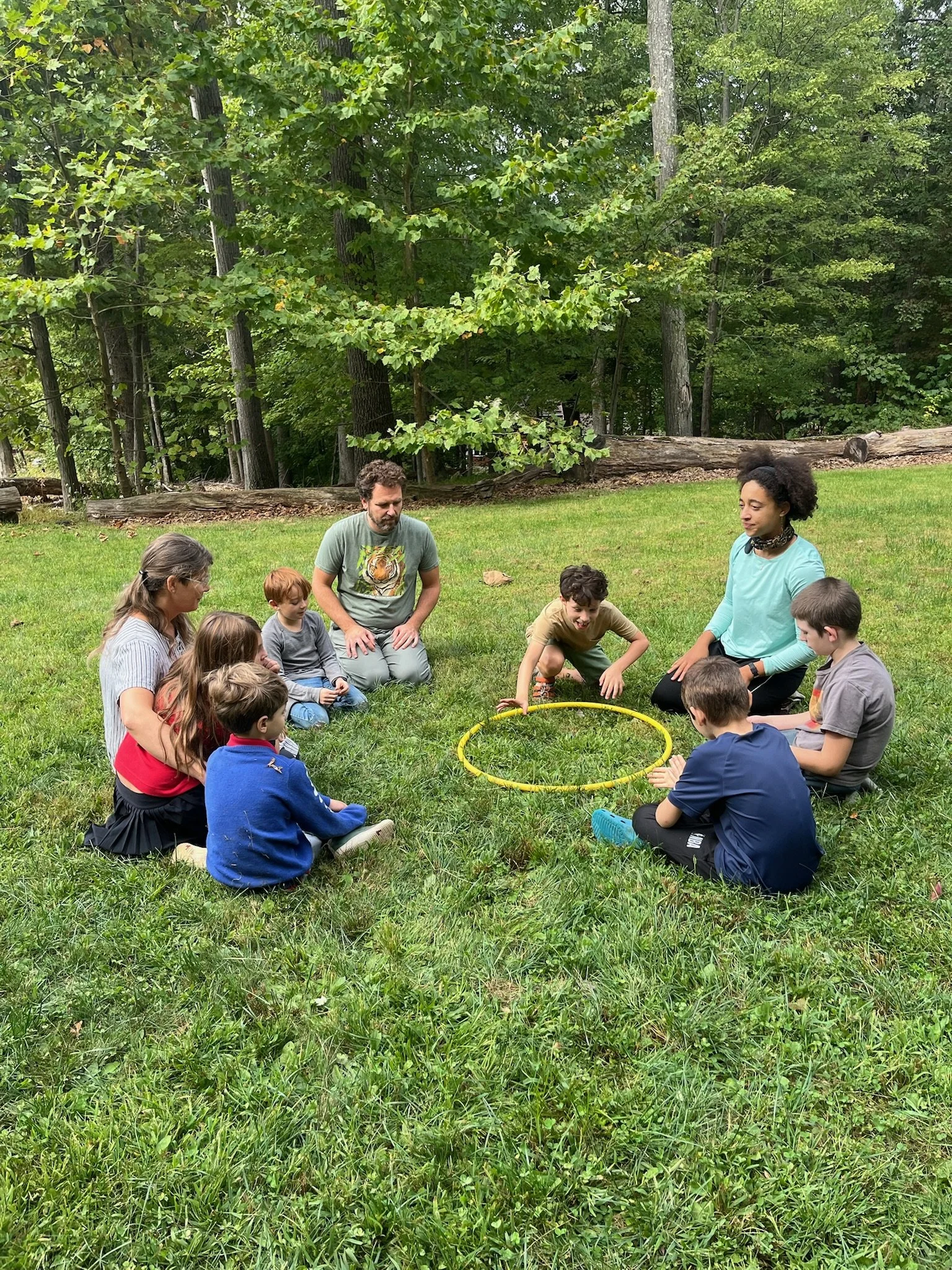
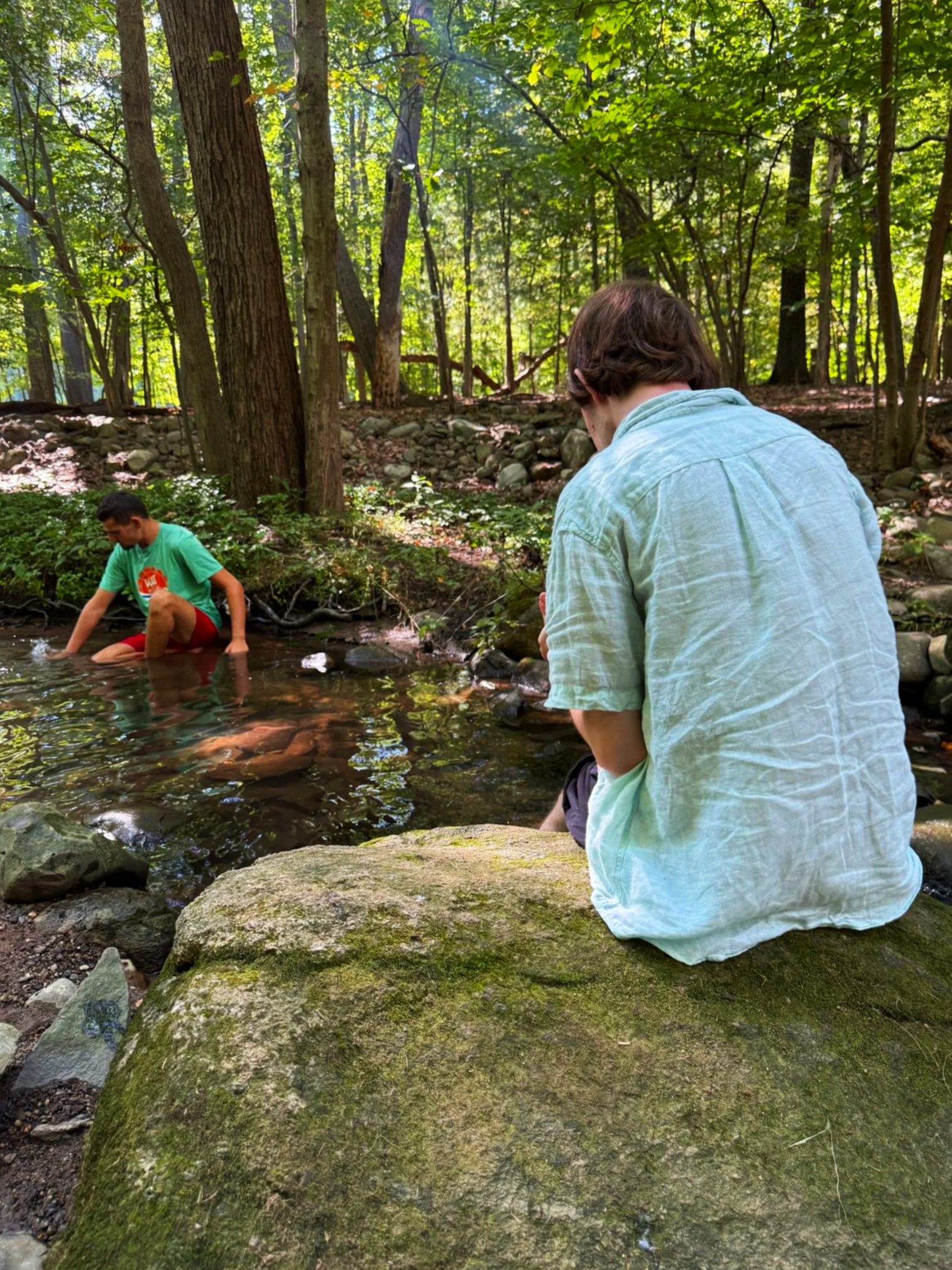
Whether we are gathering eggs from the chicken coop, harvesting beets, sewing a doll, studying biology, or building a bench, an Otto Specht education is not defined by the four walls of a classroom; the world is our classroom.
Strategies that support an effective learning environment
Personalized Learning Plans Create tailored education plans that address each child's unique needs, focusing on their strengths and interests to boost confidence and motivation.
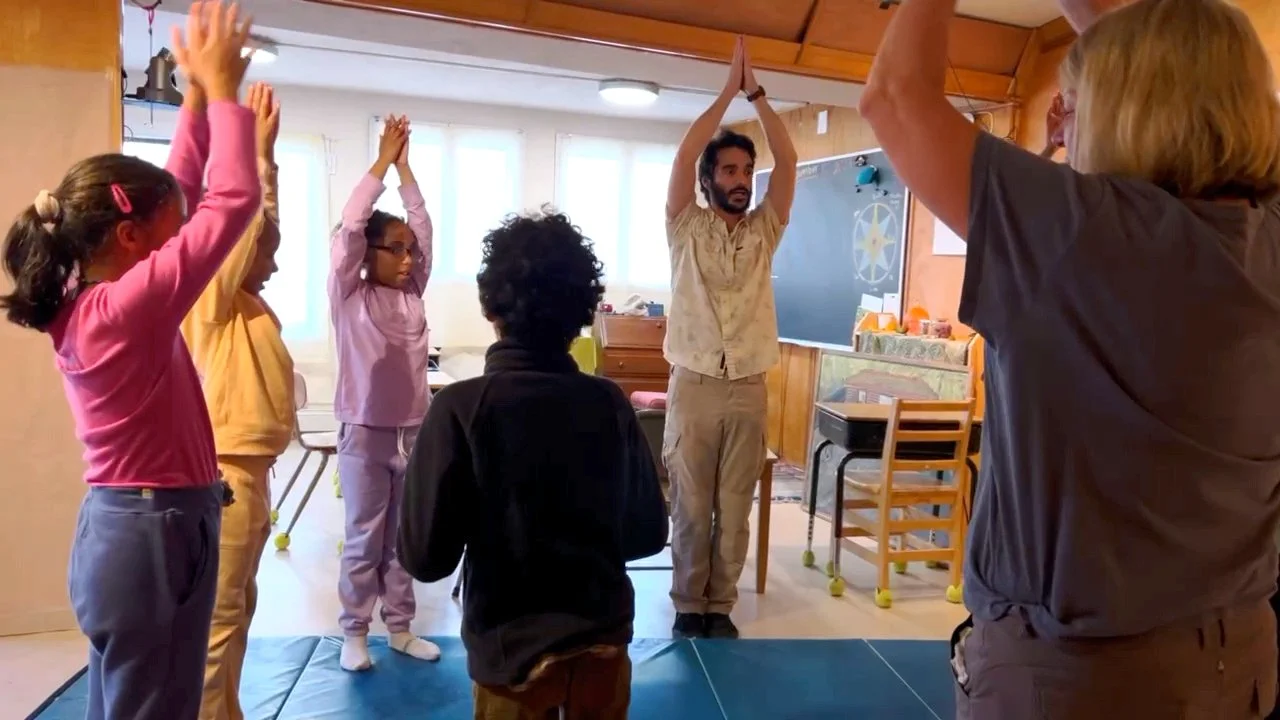
Inclusive Practices Use teaching methods and materials to accommodate diverse learning styles and sensory needs using adaptive technologies, flexible classroom layouts, varied teaching materials, and mixed age opportunities.
Collaborative Support Teams Educators, therapists, and counselors collaborate on strategies that support each child’s learning and development.
Parent Involvement Engage parents with resources and support to maintain the school-home connection. Communicate and receive feedback regularly to monitor progress and adjust strategies as needed.
Flexible Assessments Use varied methods to evaluate progress, allowing different ways to demonstrate understanding such as oral presentations, visual projects, or hands-on activities.
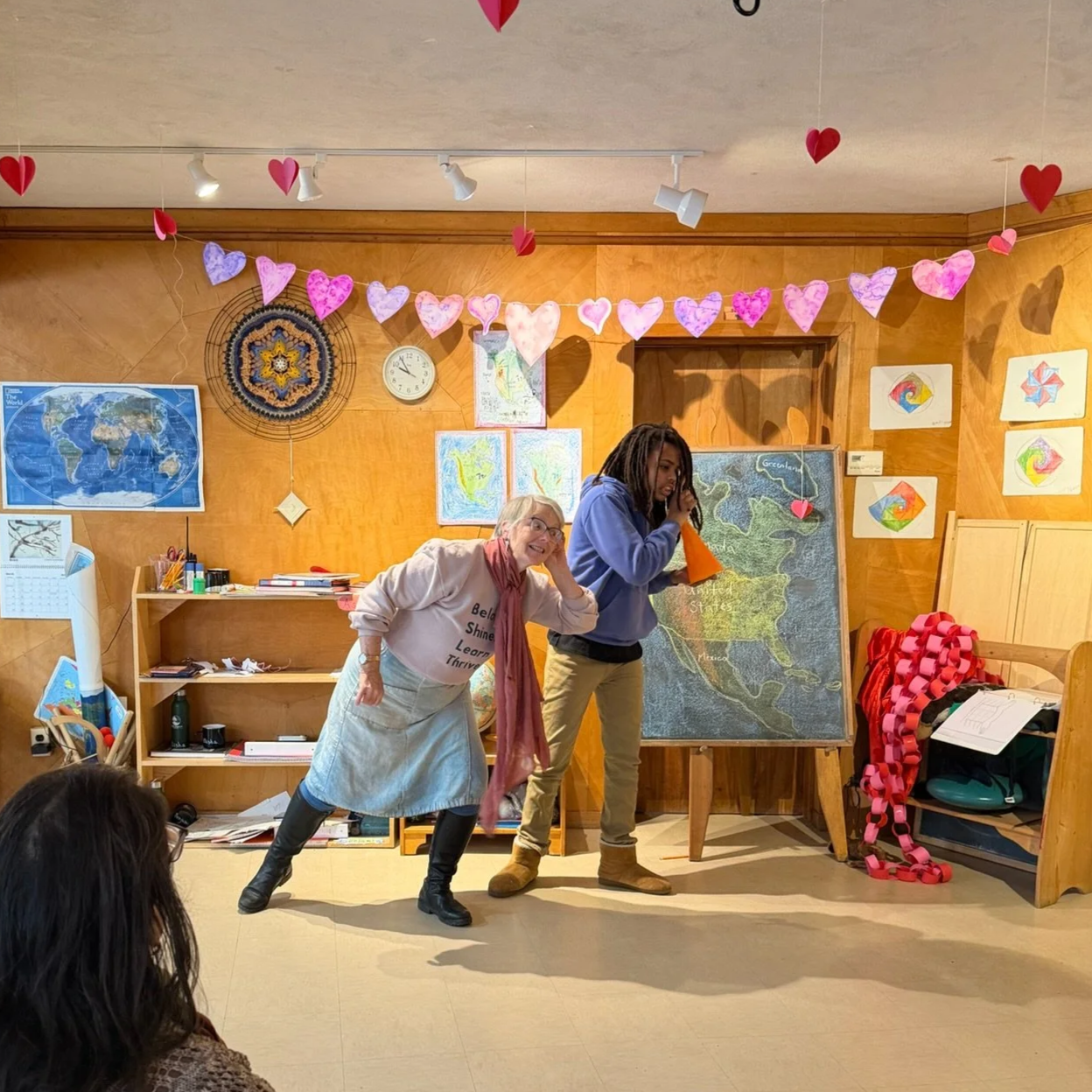
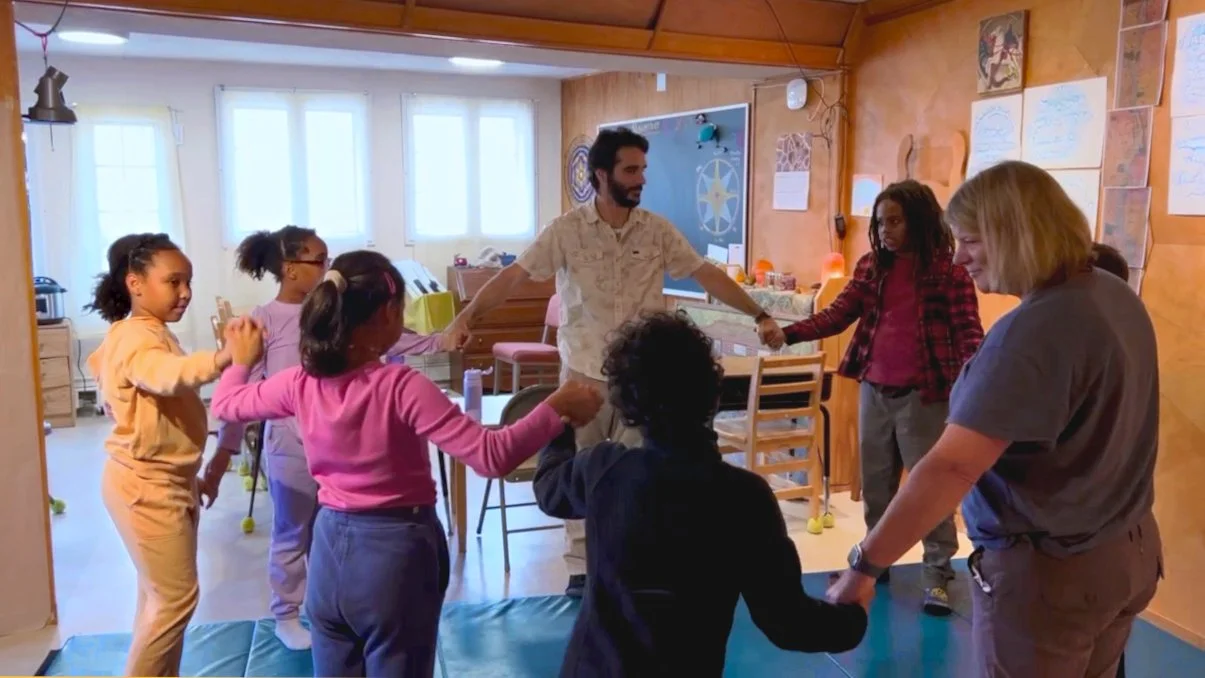
Peer Support Encourage a supportive peer environment through mentoring and group activities.
About Waldorf Education
Waldorf education is not defined by a set of academic standards, the achievements of its pupils, or even by the enriching curriculum found throughout the grades. Waldorf education is a living educational movement guided by a deep understanding of child development. This movement, now the fastest growing educational movement in the world, is rooted in the philosophical world-view of Anthroposophy, espoused by the 20th century philosopher, artist, and scientist, Rudolf Steiner. Through this philosophic lens, the human being is understood as a complex being whose thinking (cognition), feeling life, and willing (intentional activity), must relate in a harmonious and balanced way in order for one to fully experience his or her humanity and become a free thinking individual. These three aspects, related to the bodily systems in which they are most active, namely the head and nervous system, the heart and circulatory system, and the metabolic and limb system, must each be nourished and supported in human development, and Waldorf educators seek to do just that. Waldorf Education engages the whole child, head, heart, and hands, in his or her education, incorporating art, music, limb activities, and meaningful work in addition to age-appropriate academic material. Within a traditional Waldorf classroom, individual needs of children who lie within a typical developmental range for their ages, can be met within the larger group setting.

Waldorf Education and Atypical Learners
In 1924, Rudolf Steiner gave a series of lectures aimed at doctors and teachers, and looking specifically at children whose learning and development diverged from the so-called “typical” path. These lectures became known as the "Curative Education" course. At this time, Steiner had already founded the first Waldorf School, creating a pedagogical framework that fostered the holistic development of students as human beings, a stark contrast to the rigid, information-retention based systems that still dominate education today. These lectures broadened the view of human development and brought a very different perspective to the education of those with special needs that did not view individuals with differences as ‘less than’ but acknowledged that a deeper understanding was needed to support their development and inclusion in the world. In Rudolf Steiner’s view, all education should be a healing education in that it brings the human being into balance; a harmonious working of the intellect, social emotional sphere, and the will. The Waldorf curriculum, by addressing all aspects of the human being, supports most children in attaining this balance. Working with special needs, we recognize systems that are further out of balance, and therefore more specific work and a deeper understanding of developmental needs are required.
Many early Waldorf schools included classes for children with different learning needs, balancing integration with specialized support. However, as the Waldorf movement spread worldwide, the Special Education component did not always grow alongside. In recent decades, as schools everywhere face rising numbers of children with learning differences, attention challenges, autism, and other complex needs, many educators—including those in Waldorf contexts—have begun to recognize the urgency of meeting these students in new and meaningful ways.
The Otto Specht School has become a model for education, pioneering individualized and therapeutic approaches rooted in Waldorf philosophy, and responding to evolving educational needs. By combining academic support with artistic, practical, and therapeutic work, the school helps students grow into adaptable, creative, and empathetic individuals who recognize their own value and potential.
The Camphill Movement
Beginning in 1939, the Camphill movement, founded by Austrian pediatrician and educator Karl König after fleeing Nazi annexation to Scotland, carried forward and expanded Steiner’s “curative education” work. Camphill evolved into a global network of intentional communities and schools dedicated to supporting individuals with significant developmental differences and has contributed greatly to the anthroposophical understanding of individuals with developmental differences.
The Otto Specht School is an affiliate of the Camphill Association of North America.
Rudolf Steiner and Otto Specht
Our school is based on the enlightened and carefully drawn insights into child development of Rudolf Steiner (1861-1925). Rudolf Steiner challenged teachers to perceive and respond to children’s individual developmental needs at each stage of life. He described the foundation of anthroposophy, the name given to his world view, as the "wisdom of the human being," with the understanding that each human being has a unique body, soul and eternal spirit. It is through the harmonious relating of the individual’s cognition, feeling life, and will-activity that true education can occur. Waldorf education, one of the largest and fastest-growing independent school movements in the world, is grounded in these insights.
As a young man, Rudolf Steiner became tutor and care-giver to Otto Specht, age eleven, a child with social and learning difficulties who was considered ineducable. Once Rudolf Steiner became responsible for Otto’s education, he employed carefully planned lessons that focused mainly on limb activity. After two years of intensive work, Otto was on grade level and able to enter a school. Rudolf Steiner continued to tutor the boy daily, and Otto completed his education by becoming a physician.
Rudolf Steiner attributed the foundation of Waldorf education to his early educational work with Otto Specht. Through Rudolf Steiner’s insights, we strive to find the path on which each child can find her or his way to a meaningful educational experience just as our school’s namesake did.